As published in the Mandarin May 28, 2021 by Kiah MD John Glenn
I hear the pent-up demand echoing frequently: “Tell me the secret to good contract management!”
There are plenty of courses out there. Unfortunately, the majority seem to be run by lawyers. Sad really, because lawyers are really good at many things – boundaries, removing ambiguity and dealing with things when they go wrong. They are not very good, generally, at helping things “go right”.
That’s what contract management should do. Instead, we see a plethora of disappointing courses and contract management plan templates – that are mostly about administration and compliance. Who does what, when. Necessary, but not terribly helpful in getting value out of your contract.
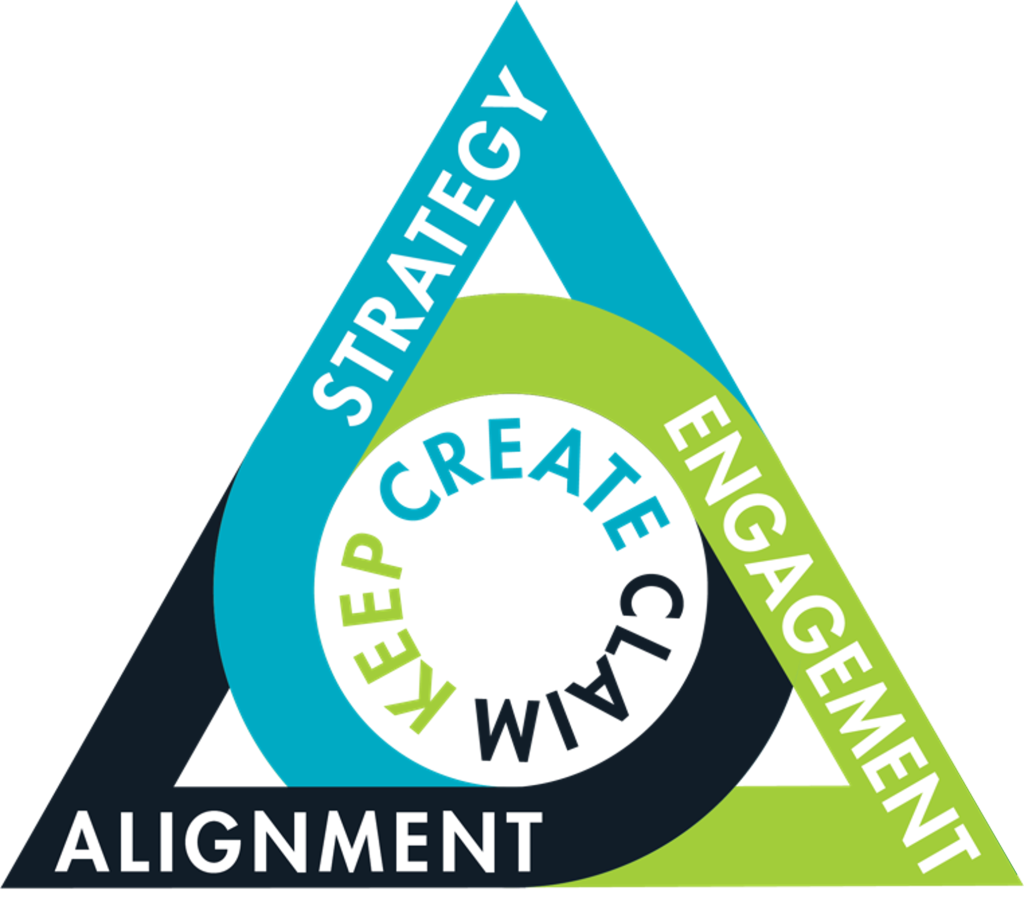
You need three things to get great value in a “deal”:
You need to create value by designing, structuring and engaging strategically. Except for the transactional, low relationship low value agreements like commodity purchases, this stage needs real focus.
You need to claim the value through clever and influential engagement, negotiation and aligning interests. The tactics at the table, for want of a better word. A lot of courses, books and training focused on this – but you can’t claim what you have not created.
Then you need to keep the value. This is the whole province of contract management. Almost everyone gets this wrong, and it has been left to lawyers and administrators who do not know how to keep, and exploit, value that is in a contractual relationship.
Is it worth it? A 2014 study by McKinsey showed that companies that innovated through supplier collaboration were 10% better off than those that had inattentive relationships. Geller & Company (2013, ‘World-Class Procurement — Increasing Profitability and Quality’) claim that 60% of the effort in a contract life cycle is spent getting to contract. They also state that 75% of the benefits are eroded in the first 18 months through inattentive management.
Just a small saving across the board in our multi-billion-dollar government procurement programs would return huge benefit. Just a 1% saving in Queensland procurement, for example, would allow for 33,000 scholarships, 71,000 hospital stays or a dozen beers for every Queenslander.
The effort seems worth it to me.
Here are three things to change – right now!
1. Attitude and posture
Contracting is mostly thought about as a master-slave/purchaser-provider relationship. Legally it is. The buyer has rights and should have reasonable expectations. We end up with a model with the contract administrator sitting above the contractor, controlling the behaviour, compliance and performance (or non-performance) while the contractor delivers services or products to the recipients – on the purchasers’ behalf.
The model is fundamentally wrong. Dust off the MBA textbooks and have a look at Porter’s Value Chain. The service delivery, and the risk of non-delivery, lies with the purchaser not the contractor. The vendor is integrated into your service delivery chain
It is your performance, your management of demand, your management of quality, and your assumption of risk – always.
You cannot contract out your obligations and risks. You can contract in support and expertise to help you deliver.
So stop thinking about vendors as if you have handed over responsibility and delivery is their job. It can’t work unless it is an integrated value chain. It is not the obligation of the provider to the purchaser, it’s the recognition and management of mutual obligations to each other.
There are, of course, contracted performance and contractual compliance issues. But they do not stand alone, and you cannot contract out your responsibility. Want proof? It’s not the office of a CEO that gets 500 calls from the platform if the train runs late.
2. Manage a relationship
There has been a lot written about “relationship contracting”. Rule number one is that a good relationship is more easily founded on a good contract than a bad one. A good contract would include actionable practices and measures, structured conversations and mechanisms for dealing with expectations, mismatches, and disagreements before they are disputes.
Soft measures matter. Are both sides being heard? Are the “contract management” conversations meaningful? Are softer expectations like innovation and responsiveness understood and measured the same way? If they are mismatched, what is the agreed view? If you have a mismatch, or the relationship is underperforming, what do you want to fix and how will you do it, together?
It is easy to fall into the trap that the contract is the relationship. It isn’t, it is the foundation for the relationship. Many of these measures and practices can be built into contracts, because they help contracts work. In my experience, they are rarely built in as advisers lean to the harder performance measures – because they are easy.
A few seek “strategic partnering” or “relationship” agreements, peppered with fine words and promises but, frankly, little value other than to fill a space on a wall with a poster of unactionable ideals.
There are better, measurable and actionable ways to do this. Unavoidable approaches that force both parties to consider how to get best value from working together. Even if your contract does not prescribe such relationship management, you can retrofit such behaviour by agreement. If you have a troubled contract, you will find that the effort of jointly creating such an agreement will improve your relationship and, eventually, your satisfaction.
3. Lead
If you are the buyer, you are the conductor of this contract, and relationship. You set the standard, the tone. You accept poor communication and the lack of resolution of outstanding issues.
We see it everywhere – bottom drawer syndrome. Problems put into the bottom drawer by staff because they are too hard, uncomfortable, or “I don’t want to give my boss a problem”. Problems don’t get better with age. They just fester, get bigger and create more issues, become harder to deal with.
Bosses shouldn’t be solving your problems, but it is their job to solve the problems that you can’t solve.
The vendor is going to follow your lead, you are the customer. So if you want a better outcome you have to give permission for that to be possible.
Leadership is the key. It is hard, exhausting, wearing – and valuable.
Finally – dealing with difficult contracts is our business. If you have a challenging contract, or you want to know how to get one right so it doesn’t become challenging, please give us a call.
s published in The Mandarin, 21 March 2024 by Kiah MD John Glenn I have reproduced below a Facebook post by a good friend of mine, Kat Rae. The post was private, so sharing it was difficult. Kat is a private person, and she doesn’t seek to be the “face of a movement”. But her message…
As published in The Mandarin December 3, 2024 by Kiah MD John Glenn If I had realised this when I first started out my life would have been much easier – everywhere! I would have got more of what I wanted to achieve with much less angst. At home, at school, at work – did…
As published in the Mandarin March 14, 2021 by Kiah MD John Glenn An early lesson as a boy on a farm was that you don’t leave a dog unattended in a sheep pen. They revert to instinct, and so it is with the Defence Major Service Provider Program — its MSPs. In early 2018,…
As published in the Mandarin November 2, 2020 The public sector is often exhorted to be more commercial in its behaviours. “In some ways it’s a bit of a nonsense”, says MD of Kiah Consulting, John Glenn. “Dogma, like any other dogma, doesn’t make sense. The public sector is about spending money to deliver a…
First published in The Mandarin 9 February 2026 The Digital Transformation Agency has released the strategic review of the whole of Australian government single seller arrangements (SSAs). The review, by IT consultancy SolsticeIT, found the arrangements delivered the government “significant value for money” – more than $1.6 billion. $1.6bn is savings? No! To be fair,…
As published in The Mandarin September 10, 2024 by Kiah MD John Glenn I know I’m a heretic. Surely, it’s obvious we need good contract management. The Department of Finance has a well-meaning 50+ page guide to managing contracts. ANAO has a web page providing advice on better procurement and contract management (ANAO Insights: Audit…